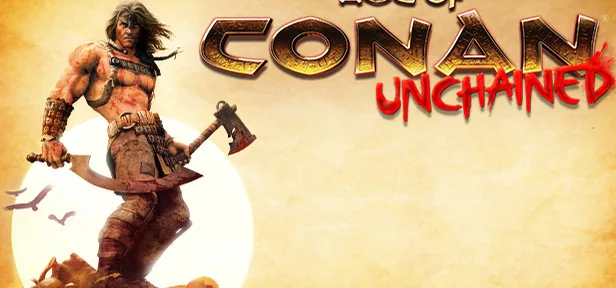
Age of Conan: Unchained mixes character planning with active execution: a sensible Feat allocation still depends on the right weapon, completed combos and positioning. It is the MMO, not the separate survival game Conan Exiles. Begin with the class’s actual combat rhythm and the job you want to perform. This route explains how to connect those choices before pursuing a specialised dungeon or raid setup.
Check the class and race combination first
The game’s classes belong to Soldier, Rogue, Priest and Mage archetypes, while race affects the available class choices. Read the class description instead of selecting only by weapon appearance. A heavily armoured character, a damage caster and a healing hybrid ask for different positioning and resource habits. Choose the combat style you can practise consistently, then develop its group function deliberately.
Use the weapon your combo requires
Melee combos require a sequence of attack inputs after activation. Learn one complete sequence, including the finish, before adding several more to your routine. An unavailable combo may reflect the equipped weapon rather than a broken build. When experimenting, read the requirement and check the weapon before moving Feat points. Casters should likewise understand which spells they can use safely while managing movement.
Read shields and keep a useful position
Directional combat rewards attention to an enemy’s shield indicators. Identify a less protected direction and practise delivering the intended attack while staying within useful range. Do not let that objective make you stand in obvious danger or drag a group encounter away from the tank. Successful execution means finishing attacks from a safe position, not merely pressing every step while the target moves away.
Keep Feats separate from ordinary skills
Feat points develop the class and archetype trees; ordinary skill investment is a separate part of progression. Read prerequisites and the resulting interaction before spreading points across unrelated effects. Keep a written solo baseline so you can tell what a group oriented adjustment removes. A tree designed for a particular encounter may assume tools or coordination that you do not yet have.
Equip for the class and the encounter
Compare usable armour and weapons, relevant combat statistics and the resources your abilities spend. A tanking assignment needs more than a damage weapon, and a healing assignment needs actions you can maintain under pressure. Before buying, explain which weakness the item addresses. During progression, replacing one obvious limitation is easier to evaluate than rebuilding equipment, Feats and action bars at the same time.
Review Alternate Advancement and the group plan
Alternate Advancement adds another layer of development and selected perks; it does not replace your Feat build. Check the relevant panel and confirm which trained effects must be selected for use. Before a dungeon, agree on positioning, control and the responsibility your class is taking. If the group requests an unfamiliar perk or combo, verify its availability before the pull instead of assuming it is automatically active.
Before your next session
- Confirm Unchained and your class’s equipment rules.
- Practise a complete combo with the correct weapon.
- Review Feats, ordinary skills and selected perks separately.
- Agree on positioning and role before the dungeon.